


 Listen to this article
Remember when people used to go to theatres just to watch movies?
Then television came along and slowly took over our daily lives.
At the time, everyone debated whether TV was good or bad for us.
Now, hasn’t social media taken that very same place?
How many of us can go even a few minutes without checking our phones?
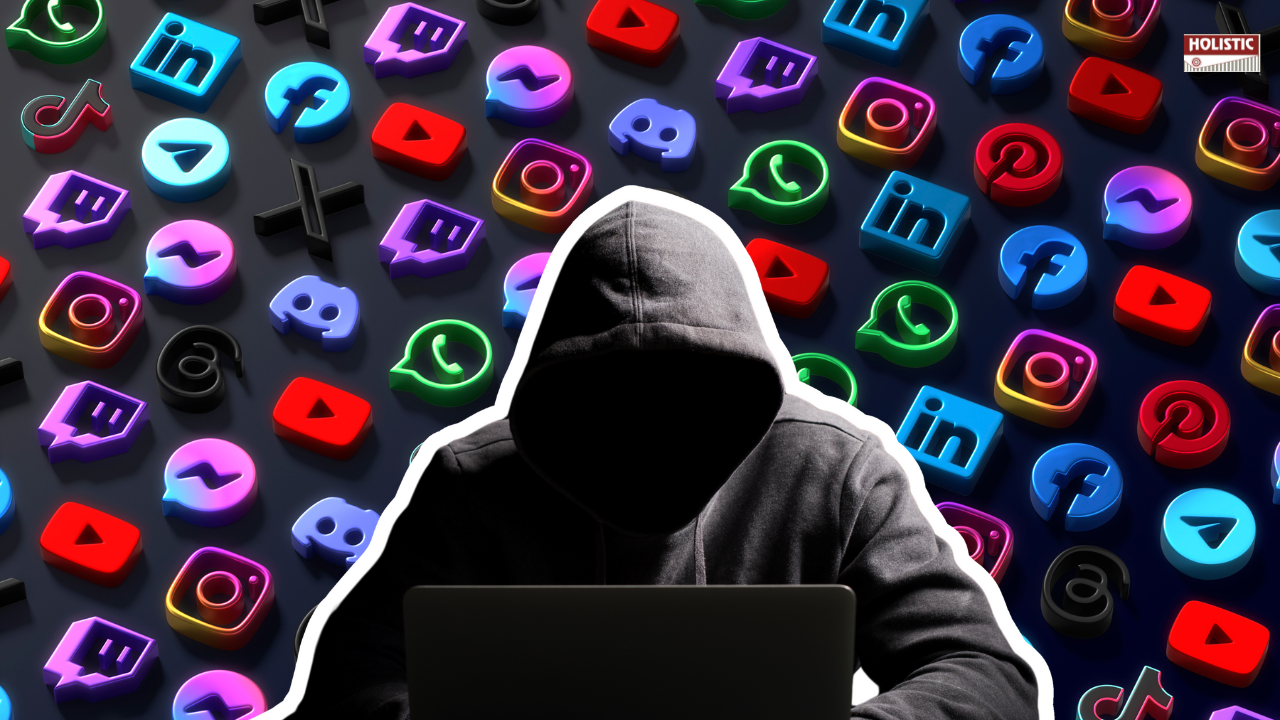
It’s become such an integral part of life. But have you ever stopped to wonder — with all its benefits, could social media also have a dark side?
Table of Contents:
1.Social Media: A Blessing and a Curse
Social media is a fantastic tool for many reasons.
It’s where big companies market their products.
It has given small businesses a stage to become known worldwide.
In fact, it plays a huge role in today’s economic growth.
Isn’t it amazing how easily you can share your feelings with relatives living abroad?
And through social media, we get to know all the good and bad things happening around us.
But here’s the question: If social media can do so much good, why do we still hear about so many people losing money and falling for scams?
Could it be because they believe everything they see online?
2.Financial Scams: The Hidden Danger
Have you ever seen those viral videos promising unbelievable returns?
For example, a video claiming that by investing just ₹21,000, you could earn ₹15 lakhs by the end of the month—often with a picture of Finance Minister Nirmala Sitharaman attached to it?
Sounds tempting, doesn’t it? But do you think this kind of promise could be real?
These fake videos are all over social media, sometimes using the images of the Reserve Bank Governor or leaders of big financial institutions.
But remember, investing should never be rushed based on such videos. Always check the facts first.
And what about those posts claiming tax benefits for buying property in a senior citizen’s name or offering discounts on registration fees?
How many of those have you seen? Do you know if they’re true?
3.How to Protect Yourself from These Scams
So, how do you actually stay safe and protect your hard-earned money from the many traps lurking on social media?
It might seem tricky, but there are some simple yet effective steps you can follow.
Let’s break them down.
A). Confirm the Information Before Believing It
Have you ever seen a post claiming that the Reserve Bank or the government has announced some new benefit or scheme?
It might sound exciting—but do you stop to check if it’s true?
The best way is to visit the official websites of these institutions yourself.
For example, if you see a claim from the Reserve Bank, why not check the Reserve Bank’s official website?
If it’s about a Finance Ministry announcement, visit their official page. Isn’t it better to be sure than to fall victim to fake news?
Remember, not everything on social media is accurate—even if it looks official.
B). Watch Videos Closely, Look for Odd Details
Videos can be very convincing, right?
But have you ever noticed small differences in official announcements on social media?
Maybe the signature looks slightly off, or the speech has unnatural pauses.
Some videos are even created or altered using artificial intelligence.
But here’s a secret: no matter how advanced AI gets, it still leaves tiny clues if you watch patiently.
So, next time you see an important announcement video, take a moment—don’t just scroll past—and observe closely.
Could this really be genuine?
C). Beware of Clicking Suspicious Links
How often do you get messages on WhatsApp or SMS promising gifts or money if you click a link? It sounds tempting, doesn’t it?
But clicking on such links can be dangerous—they might steal your personal information or even your money directly from your bank accounts.
Would you risk your security for something that sounds too good to be true?
It’s much safer to avoid clicking any such links entirely, no matter how tempting the offer.
D). Guard Your Personal Details—Never Share Them Carelessly
Have you ever been asked for your OTP, Aadhaar details, or bank information through a link or message?
Stop and think before you share! Do you really know why they need it?
Sharing sensitive details without understanding the purpose can lead to identity theft or financial loss.
Especially avoid sharing OTPs—they are the keys to your bank accounts.
Isn’t it wiser to keep these details private and only share them when absolutely certain?
E). Use Strong Security Measures for Your Accounts
When was the last time you changed your social media or email passwords?
Are your passwords strong enough—using a mix of letters, numbers, and symbols?
Have you enabled two-factor authentication (2FA)?
This extra layer means even if someone guesses your password, they still can’t get in without a code sent to your phone.
Also, do you often use public Wi-Fi for sensitive tasks? That’s risky!
And before you install any new apps, do you check the permissions they ask for?
Why leave your phone vulnerable when you can protect it easily?
F). Do Your Own Research for Authenticity
Whenever you see something suspicious or unbelievable on social media, don’t just accept it at face value.
Have you tried Googling the news or using fact-check websites?
These tools can help you separate fact from fiction.
Wouldn’t it be better to spend a few minutes researching than lose thousands of rupees because of misinformation?
G). If You Face Trouble, Don’t Stay Silent—Report It
What should you do if you fall victim to a scam or find false information spreading online?
You don’t have to handle it alone.
Did you know there’s a cybercrime helpline you can call?
Dial 1930 to get help. Or talk to someone knowledgeable and trustworthy about these matters.
Reporting these issues can help protect not just you but others as well. Isn’t that the smart thing to do?
4.Final Thoughts
Social media is a powerful tool—it connects us, informs us, and entertains us.
But it can also mislead and trap us if we’re not careful.
So next time you see a “too good to be true” offer or announcement, ask yourself: Is this really true? Should I trust this without verifying?
Protecting your money starts with being alert, patient, and cautious online.
And when it comes to making important financial decisions, consulting a Certified Financial Planner (CFP) can provide you with trusted, personalized advice tailored to your needs.
After all, isn’t your hard-earned money worth that little extra effort?


Leave a Reply