


 Listen to this article
In a world obsessed with speed—fast trades, breaking news, and overnight success stories—it’s tempting to believe investing is a race.
But what if the real edge lies in slowing down?
At our financial planning practice, we’ve seen this first-hand: the clients who take time to think, ask the right questions, and focus on long-term goals often outperform those chasing the latest trends.
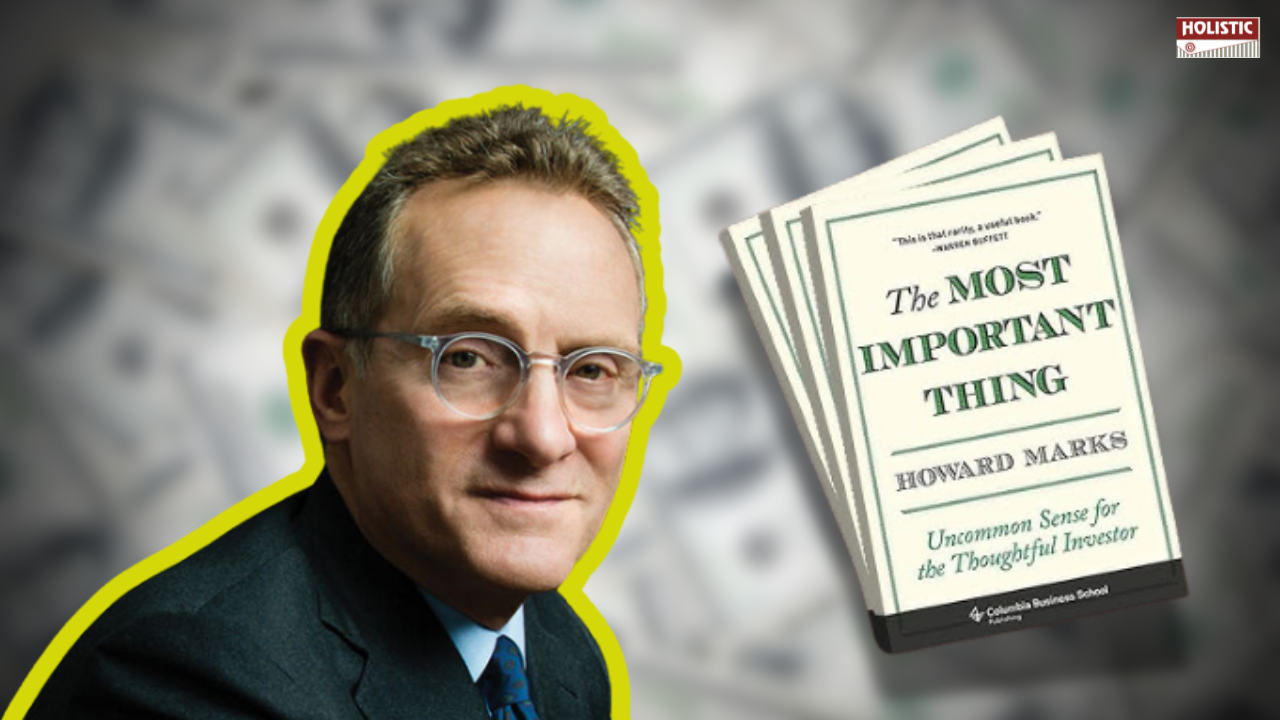
That’s why the insights from Howard Marks’ The Most Important Thing are so powerful—they shift the focus from tactics to thinking strategy.
It’s not just about what you invest in. It’s about how you think about investing.
Table of Contents:
- The Power of Second-Level Thinking
- Risk: The Silent Threat Most Investors Miss
- Understanding Market Cycles: Timing vs. Temperament
- Price vs. Value: Don’t Confuse a Label for Worth
- The Danger of Consensus and Comfort
- Final Thoughts: Why Mind-set Trumps Market Predictions
1. The Power of Second-Level Thinking
Have you ever wondered why two investors can look at the same stock and reach completely different conclusions?
Marks explains this beautifully with the concept of second-level thinking.
First-level thinking is surface-level: “This is a good company, so the stock must be a good buy.”
But second-level thinking digs deeper: “Everyone thinks this is a good company—so is it already overpriced?”
This level of critical analysis is what separates exceptional investors from average ones.
At Holistic Investment, we often challenge our clients to go beyond the obvious. Not because it’s easy—but because it’s essential.
So ask yourself: Am I thinking deeply enough—or just going with the flow?
2. Risk: The Silent Threat Most Investors Miss
Most people assume that high returns mean high risk—and vice versa. But that’s an oversimplification.
Marks defines risk as the potential for permanent capital loss, not just short-term price fluctuations.
Volatility may feel uncomfortable, but true risk is losing money that can’t be recovered.
Here’s what we often tell clients: Would you feel okay if your portfolio dropped 30% next year—even if it recovered later?
If the answer is no, your risk exposure may be too high.
The key isn’t to avoid risk—it’s to understand, measure, and manage it wisely.
3. Understanding Market Cycles: Timing vs. Temperament
It’s easy to believe we can outsmart the market by buying low and selling high.
But as Marks points out, predicting the exact tops and bottoms of a cycle is nearly impossible—even for seasoned pros.
Instead of trying to time the market, the better strategy is to be aware of where we are in the cycle.
Are people overly greedy? Fearful? Is the market overheated or ignored?
Our financial plans incorporate this thinking—not to predict, but to prepare.
Recognizing cycles helps you position your portfolio appropriately, without being reactive.
Because when others panic, a calm investor with a clear plan has the advantage.
4. Price vs. Value: Don’t Confuse a Label for Worth
One of the biggest traps investors fall into is buying great companies at bad prices.
Think of it this way: a high-quality blazer is valuable, but would you buy it at ten times its worth?
The same logic applies to stocks and mutual funds.
Even great investments can disappoint if bought at the wrong price.
Marks reminds us that price is what you pay, but value is what you get.
In our reviews, we often see portfolios filled with popular, high-cost funds that may not justify their expense.
That’s where valuation discipline comes into play.
Because investing without regard to price is like shopping without checking the bill.
5. The Danger of Consensus and Comfort
Here’s something ironic: markets are often most dangerous when they feel safest.
When the consensus is bullish, risks tend to get ignored. Investors pile into the same stocks, sectors, or themes—thinking that momentum will protect them.
But as Marks notes, the best opportunities often lie where others aren’t looking, and the greatest risks are where everyone is already crowded in.
Discomfort, in investing, can be a sign you’re doing something right.
At Holistic Investment, we remind clients: if everyone agrees with your investment decision, you may be too late. Be wary when things feel too easy.
6. Final Thoughts: Why Mind-set Trumps Market Predictions
Investing isn’t a contest of who makes the quickest decision.
It’s a process of sound judgment, emotional control, and rational thinking.
That’s why Howard Marks’ work resonates deeply with anyone serious about wealth creation.
It’s not about predicting the future—it’s about preparing for multiple futures.
And if you’re unsure how these ideas translate into action for your own financial goals, speaking with a Certified Financial Planner (CFP) can help.
A seasoned CFP doesn’t just recommend products—they guide your thinking, challenge assumptions, and create a strategy grounded in logic.
Because in the long run, what matters most isn’t market performance—it’s how you respond to it.


Leave a Reply